


Transmission
For my small ensemble project, I decided to record a cover of Joy Division's Transmission. This is an important song that I got introduced back in the Summer of 2020 during the COVID days. This used to be the song I played on an acoustic guitar, playing and practicing the song through Rocksmith on Youtube (Rocksmith 2014 is a guitar and bass video game where you can learn to play actual songs and practicing them with your electric guitar or bass guitar) and becoming the first song to play on the guitar fully. Now the reasons I decided to go for this cover as my Small Ensemble, its kind of like the usually guitar, bass, drums, and vocals especially understanding the synth part throughout the song. Most importantly, I recorded the whole song to myself because its easy and simple, and not a lot of chord progression in the song. So, here is a breakdown of recording the song, mixing, which gear is used, and referring the project I have done.
Instrument Gear and Recording of the Song
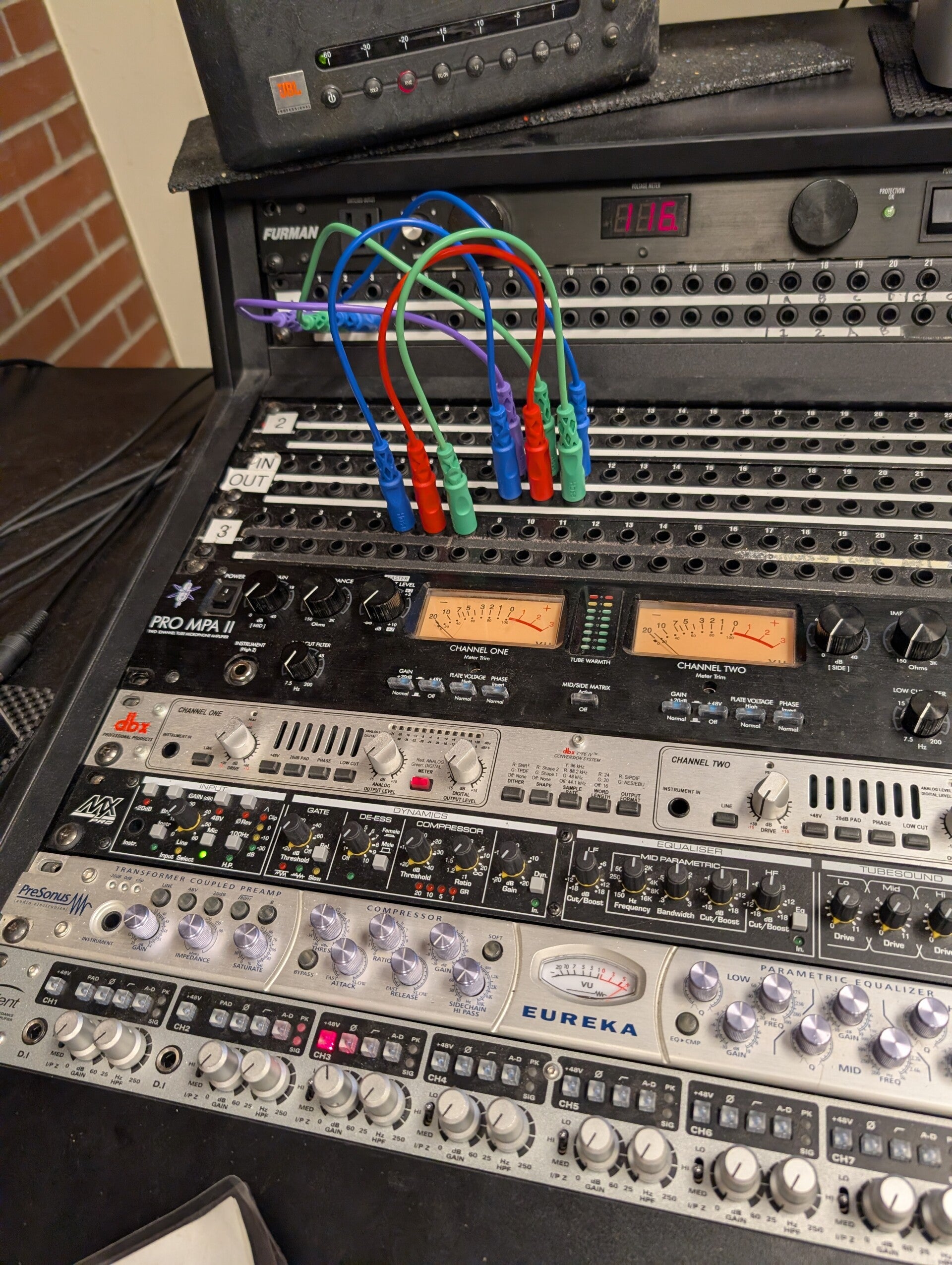
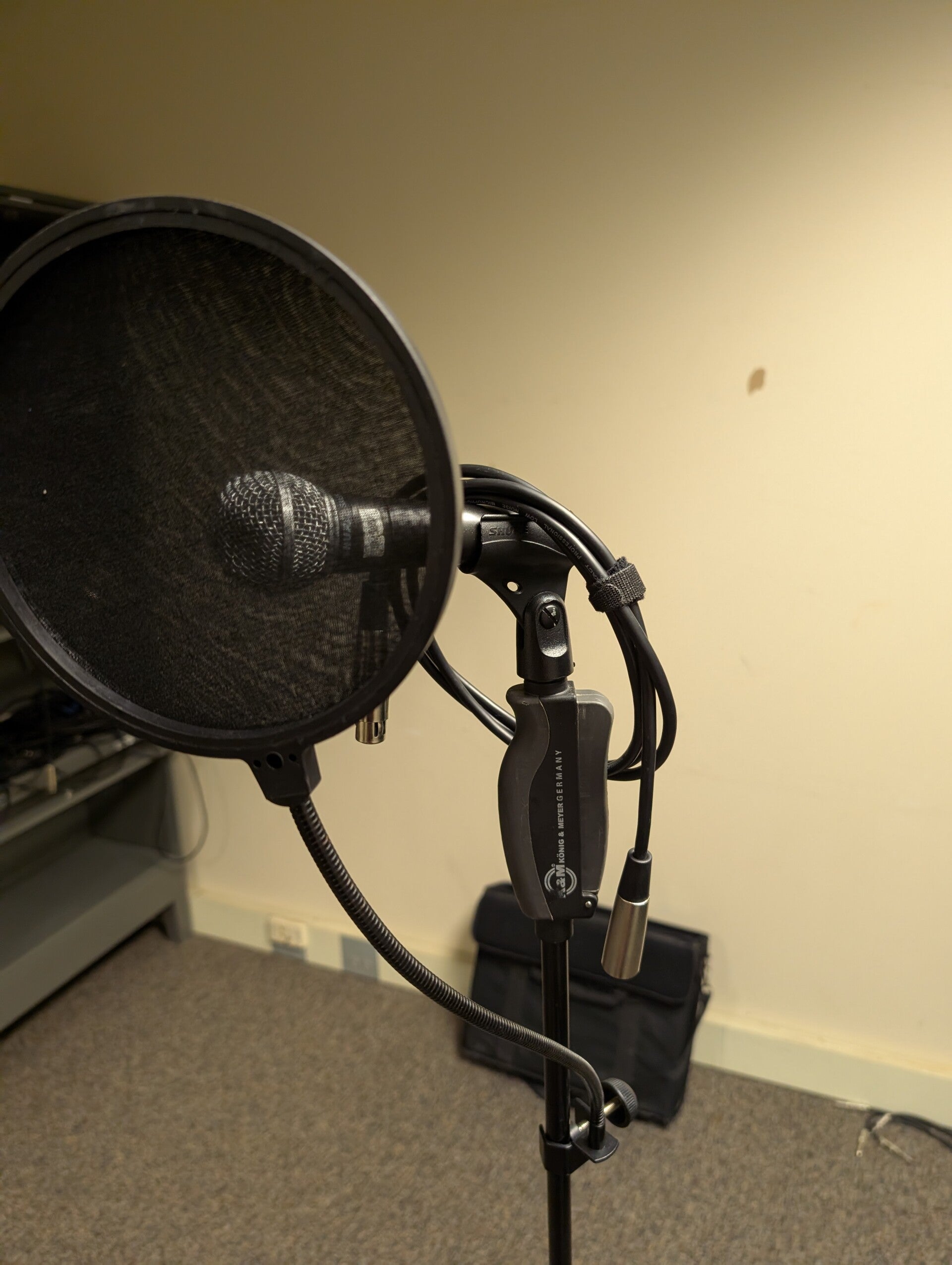
To start off, I know this is a one man recording project but all I can say is that, making a Joy Division Cover of Transmission is not the hardest but the easiest I ever come up with. From playing the song on guitar first in the past few years rehearsing leading up to this one project, is the way I wanted to be. The song's tempo is 156 and its in D Minor. Anyway, the gear I used for the project are simple. Knowing that the drums had already set up, I used 5 mics. Two mics are for the Stereo Overheads (Shure KSM 141). I use the Overhead stand to measure the right height. For the Hi-Hat, I used the AKG C1000S and has have a nice balance to hear the hat good. For the Kick drum, I picked the Sennheiser MD 421-2 because I need to have the Kick a full Cardioid pattern and a bass control of the sound. And finally for the final mic for the drums, I use the Audix ADX51 for the snare. Great use for the snare and mostly drum kits because I have to provide a nice pickup pattern and the right frequency range to have the snare sound to be in the right volume. I recorded the drums first because I have to provide a rhythm pattern and track timing to record the other instruments as usually because I like to go the way that Stevie Wonder used to record songs with drums as the first instrument as a rhythm track. Next, I recorded bass guitar for another rhythm track. I recorded the bass twice because the first one during the same session recording drums, was not that good because I hear back what it sounds like and sounded like its not officially came together. So I came back on March 1 to re-record the bass track and it sounded well without stoppage and hearing a little bit of string pluckage because I couldn't put my fingers on the section of the bass and moving to the next note section. Then, during the same session, I recorded guitars, an Electric and an Acoustic. I recorded the electric guitar which is the lead for the song using the white Ibanez in the song. I recorded the lead guitar 5 times to get the sound right. For acoustic, I played the rhythm section right until the lead guitar section is done and continue on until the end of the song and recorded about 5 takes. Now I tried to play the rhythm section of strumming twice and looping it to see how it sounds but the idea didn't go as planned. So I just played the whole rhythm section all the way to the end of the song and listened back and it sounded good. Also, I connected the acoustic guitar to the amp to have it sounded like an electric sound. I thought it was going to be sounded in an acoustic matter but having it sound with the amp in an electric sound is more interesting for what I can bring to this project. Now for using an amp and a mic, I went with the Roland amp for both bass and guitars because of not going through one amp to another. Using the Roland amp is more suitable to record with. For the microphone, I use the Electro-Voice and position close to the speaker. For the most important part, I use three XLR cables to connect the same microphone rather than going for one microphone at a time because I wanted to have my unique recording style using the same microphone while swapping one cable to another and keeping it going. Also, I duplicate the rhythm guitar track clip to have a double to make sure that it needs to sounded pure instead of hearing the track in one which is simple. The next overdubbing is using a synth effect on the keyboard in the Lab since the MIDI has already activated. The idea of bringing the effect of the key signature throughout the song using the D key and its more suitable to bring the song to life. I actually recorded first and then duplicate the clip to sound more than one. I went with an AirChoir effect because its sounded just like the original recording and it really sounded beautiful with the song. Finally, the vocals were the last of the project to record. The Shure SM58 is the mic I picked to record the vocals. I recorded the lead vocal with one take, then the background vocal also in one take. I used the same mic and one XLR cable to connect the input to Lab 105's computer as well.



Mixing and Post-Production
The mixing process has the amount of mixing and pan the knobs to make the song to hear good. I had two basic folders for the drums and the guitars making sure I am not off track with the tracks and everything else. I added two aux input tracks which are for Verb and Delay. For Delay, I used it for the Synth Effect to send to the input because I wanted to have a nice delay effect at the end of the song and have the mix on 8D. Which can have a nice delay bounce at the end and it sounded just like the original. Also, I adjust the volume on a section where I switch from 3rd D to the 2nd D key which it was too loud and use the Medolyne to match the right D key. The plug-in for the delay I use is Dynamic Delay as well. For drums, I use the Overheads, Snare, and Hi-Hat to send to the Input for Reverb. Reverb One is the plug-in to provide a nice verb sound in the way that it sounded like the original. Both of them have the Pre-Fader enable and adjusted to 0. For the bass, I don't have to include a reverb plug-in since the Roland amp does have a Reverb knob but furthermore hearing the Verb from the amp sounded good to me which allows me not include a reverb plug-in as well. But the one plug-in for the bass is the Audio track which I adjusted the 4 areas of the bass to sound well and clear in the song and have a loop way of adjusting the input and output of the bass. For guitars has two separate plug-ins I include for electric and acoustic (now electric rhythm). For electric, I use the Eleven MK 2 that can develop more guitar sound than the original recording of my guitar playing. I then duplicate the electric guitar clip to double its sound to make it sounded better. I only use the MK plug-in only the original because I tried to put in the duplicate, it didn't have any signal and sound. For acoustic electric rhythm guitar, Lo-fi is the plug-in I chose because I needed have the sample rate at 4800 hertz and 20 bits for the double acoustic tracks together. For the kick drum, I used an dynamic plug-in to adjust the kick gain to hear the bass drum good with the song. And finally, for the vocals, I use a reverb plug-in to almost match the echo effect from the original song itself. And also adjusting the clip's volume to find the right gain and sound without the sense of blasting the vocal and the whole project.


References
For my point of view, recording Joy Division's Transmission is a nice, easy simple project to record. Again, knowing this is the first song I played on guitar, this is the first time recording the project solely on my own with no special help. Furthermore, this is thoroughly the best project I ever created and trying to have an idea to record a cover one of the most acclaimed bands in the late 70s is a much more focused recording other than finding the right note and path to creation.